
Workplace Temperatures – What You Need to Know
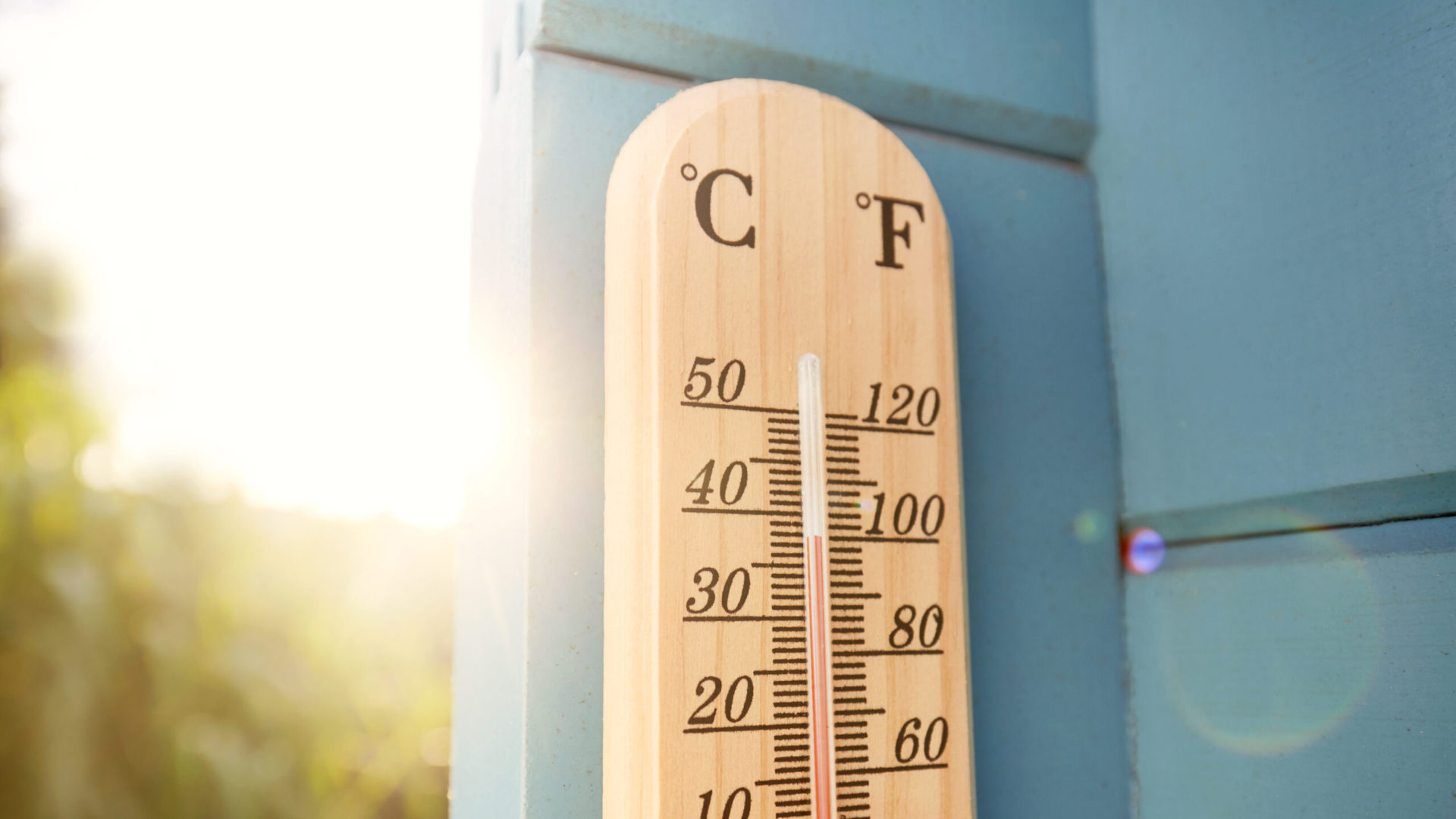
There is no legal maximum temperature for workplaces in the UK, as every working environment is different. However, employers still have a legal duty to keep temperatures at a safe and reasonable level and make sure workers are protected from heat or cold-related risks.
Employers Obligations & How We Can Support
Employers are responsible for assessing temperature risks and putting measures in place to keep workers comfortable and safe. This applies to both indoor and outdoor working environments.
At Bernard Sims Associates, we have the expertise and capability to undertake comprehensive risk assessments of working conditions, helping to identify potential hazards, improve workplace safety, and ensure compliance with relevant health and safety regulations.
For further information on this, visit our website or use the details below to get in touch!
Managing Hot Working Conditions
Hot temperatures can increase the risk of dehydration, heat stress and fatigue, especially in workplaces such as kitchens, bakeries, foundries or boiler rooms.
To reduce risks, employers should:
- Provide fans, ventilation or air conditioning
- Supply cool drinking water
- Allow extra rest breaks
- Move work away from direct sunlight or heat sources where possible
- Introduce flexible working patterns or cooler working times
- Relax dress codes where safe to do so
Workers should also drink water regularly, avoid too much caffeine, and report any concerns about excessive heat.

Heat Stress
Heat stress happens when the body can no longer cool itself effectively. Symptoms may include:
- Dizziness or headaches
- Muscle cramps
- Fatigue
- Nausea
- Fainting
- Heat stroke in severe cases
Heat stroke is a medical emergency and can become life-threatening if not treated quickly.
Outdoor Working
Working outdoors in extreme weather can increase health and safety risks. Employers should take additional precautions in both hot and cold conditions. In hot weather:
- Schedule work for cooler parts of the day
- Provide shade and drinking water
- Increase rest breaks
Long-term exposure to sunlight can also increase the risk of skin damage and skin cancer.
PPE and Temperature
Some types of PPE can increase body temperature by preventing sweat from evaporating. Employers should consider:
- Slower work rates
- More frequent breaks
- Staff rotation
- Drying or replacement facilities for PPE
Workers should still wear PPE correctly and not remove safety equipment in a way that increases risk.
What Workers Should Do
Workers should speak to their employer if workplace temperatures are uncomfortable or affecting their health. Simple steps such as adjusting clothing layers, staying hydrated, using fans, and taking regular breaks can help improve comfort and safety.
Summary
Although there is no fixed temperature that is “too hot to work,” employers must legally assess risks and take reasonable steps to protect workers from both heat and cold.